
Ideas beyond the runway.
Research, interviews, industry perspectives, and the documentation of African fashion: the people, the infrastructure, and the commercial conversations shaping what comes next.
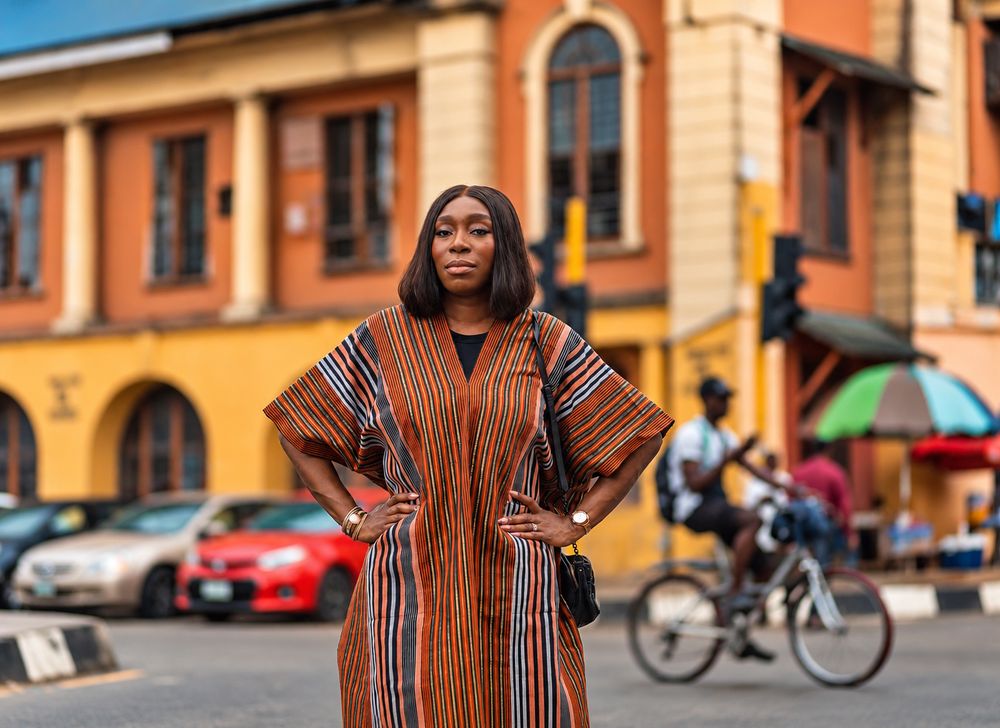
The people behind the garment.
African fashion begins long before the runway: in tanneries, dye yards, looms, workshops, and the streets where it is worn.
Understanding the Industry Behind the Image.
African fashion is shaped not only by designers and collections, but by production systems, craftsmanship, retail relationships, investment, distribution, and the people whose work sustains the industry.
Through research and informed conversations, URI & HUR examines these interconnected realities and the opportunities that may shape the industry's future.
Four editorial series.
URI & HUR does not merely talk about what African fashion could become. We bring the people building that future into the conversation.

The Industry Brief
Investment, manufacturing, trade, infrastructure, ownership, and global fashion economics.
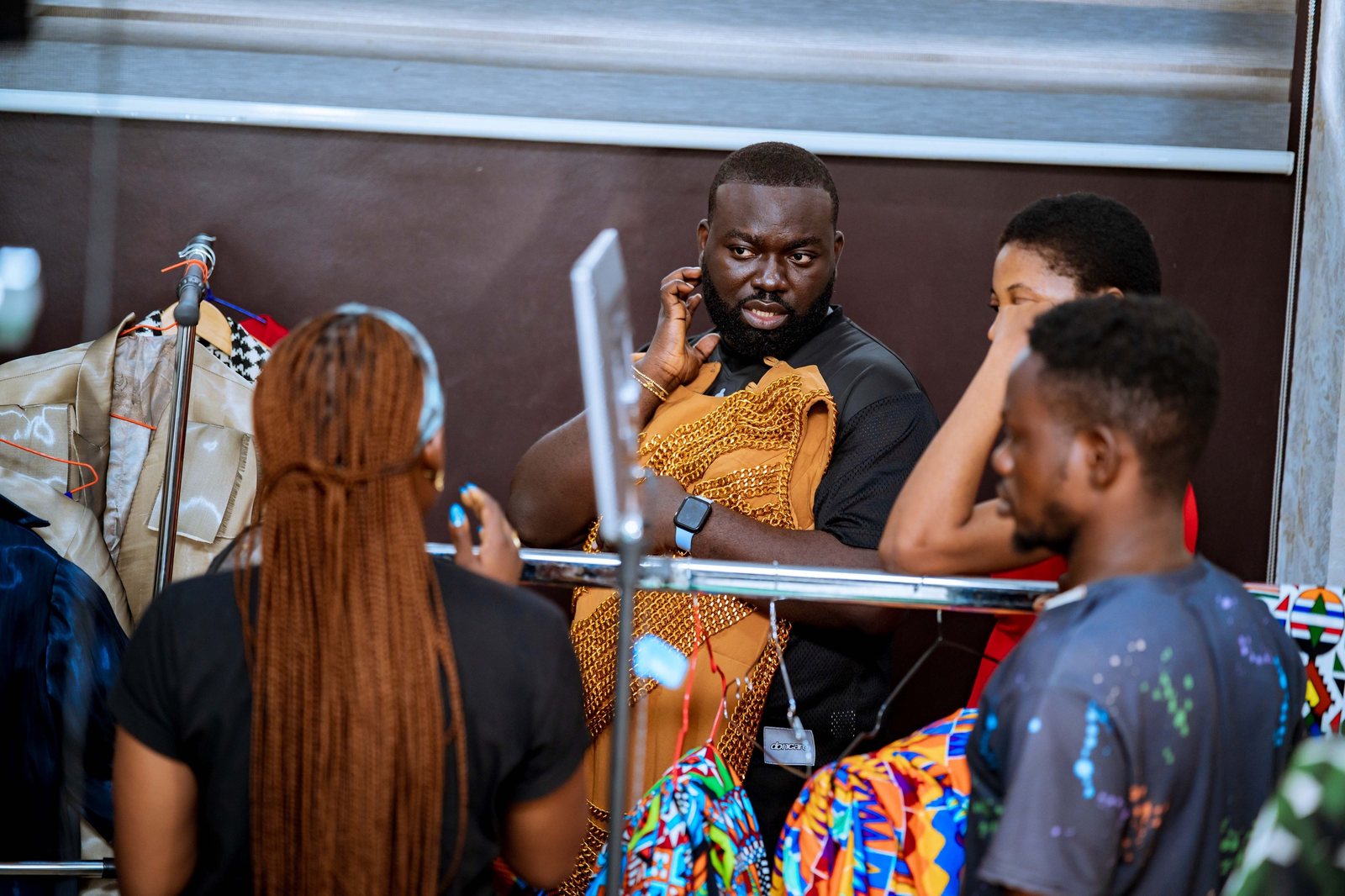
The People Behind the Industry
Designers, artisans, manufacturers, production teams, and creative entrepreneurs.

Building URI & HUR
Our decisions, our progress, and the Founders Edit: the origins and philosophy of the institution.
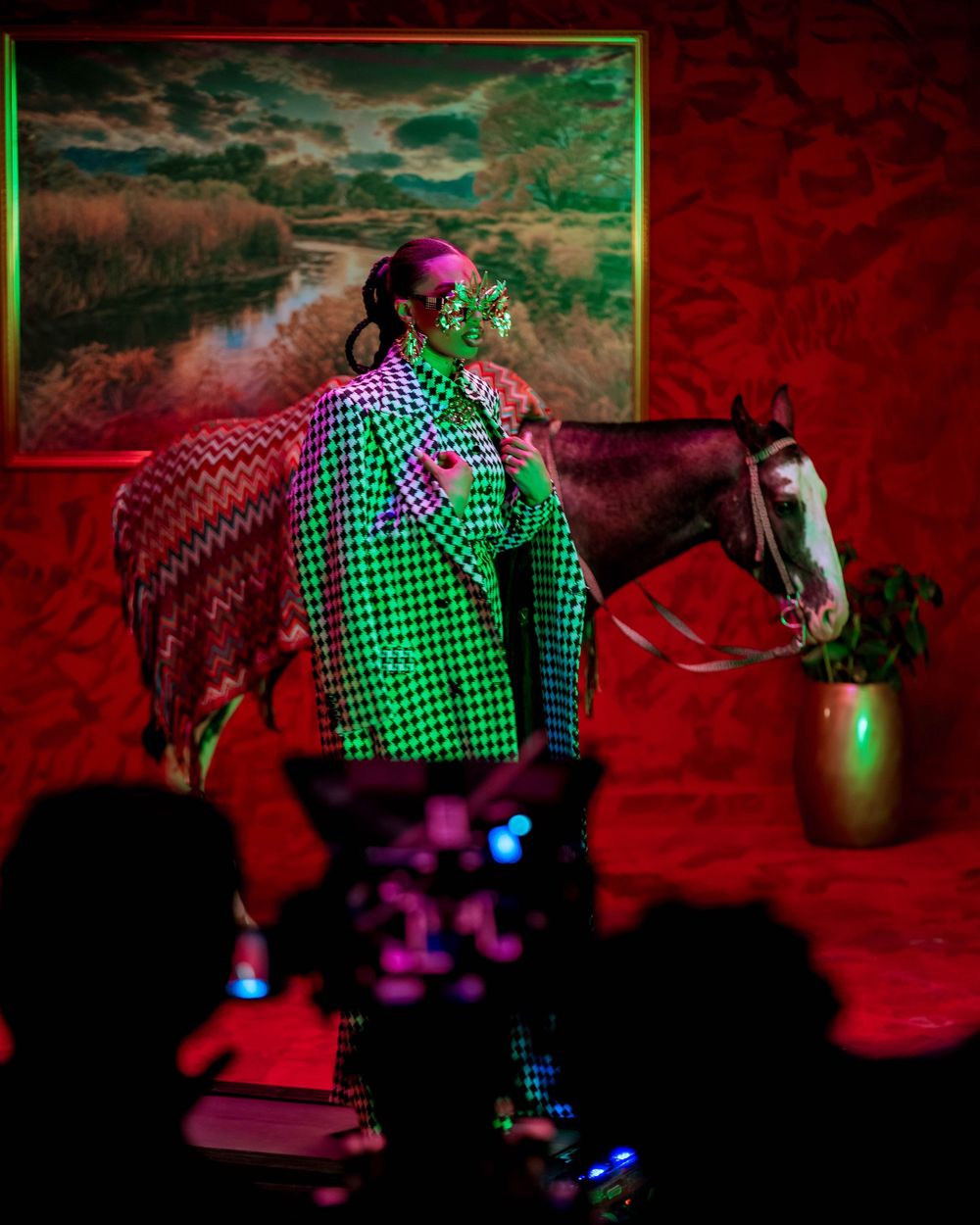
The Cultural Archive
Documentary, original music, fashion films, and cultural memory.
Featured Stories.
Published interviews, research, and original editorial productions.
Upcoming editorial topics.
Subjects we plan to explore in future editorial conversations.
How runway visibility translates into orders and lasting commercial relationships.
What prevents designers from reliably producing and fulfilling larger orders.
What it takes to deliver a collection to an international buyer, profitably and compliantly.
Which kinds of capital are suitable for African fashion businesses.
How designers retain meaningful control as their businesses expand.
Contribute to the Conversation.
We welcome informed perspectives from designers, manufacturers, educators, buyers, trade specialists, researchers, and industry leaders whose work contributes to a deeper understanding of African fashion.
Contributions are considered for editorial relevance, and participation does not guarantee publication.